Venice is truly a place for celebrity sighting, considering we stumbled into Joe Jonas in a dark alley on a random weekend night; however, seeing Mickey Mouse, Alec Baldwin and Julianne Moore left me thinking a lot for many weeks to come.
I saw Mickey Mouse at Punta Della Dogana, and boy I couldn’t believe my eyes! Damien Hirst’s exhibition, Treasures from the Wreck of the Unbelievable, features masses of grand-scale sculptures, with some measuring 2-3 stories-high, and the largest one, placed at Palazzo Grassi, reaching nearly 60 feet. The sculptures correspond to Hirst’s constructed narrative as he aims to mythicize his own artworks. The narrative features a slave from the 1st century named Cif Amotan II (the anagram reads I Am Fiction – real creative there bud), who started to amass a large amount of lavish art and artefacts. He boarded them on his ship until a shipwreck lost them all on the bottom of the Indian Ocean, waiting to be ~recovered~ by Hirst’s crew. Those artworks and artefacts range from coral-encrusted sculptures of figures fighting mythical creatures to gold African masks to jade Buddha statues. Another frequently discussed piece features Hirst with Mickey Mouse. Looking at the exhibit, many visitors were confused whether the exhibition and myth were real. Juliette Bobrow ’19 overhears a visitor: “Is this real or bullshit? I think it’s all bullshit.” Others are appalled at Hirst’s appalling attempts to plagiarize and whitewash works from other cultures.
Despite what appears to be a showy and tacky range of works, reactions to the exhibition did bring it a commotion and long lines of visitors. Giving it the benefit of the doubt, some classmates brought up the exhibition’s potential as a critique of the contemporary obsession with pop culture and museum culture, especially with HIrst’s Mickey sculpture. As one classmate said, “it felt like an amusement park rather than an exhibition.”
Then I also ran into Alec Baldwin and Julianne Moore at the Arsenale venue of the Venice Biennale. Candice Breitz’s piece in the South African pavilion, titled “Love Story,” also uses pop culture to make a statement. Visitors enter a dark room to see a big movie screen featuring actor Alec Baldwin and actress Julianne Moore in front of a green screen as they appear in alternating scenes. Both characters share very personal anecdotes on the story of forced migration and separation from loved ones. Visitors learn that refugees don’t leave their homes to get rich – they are not poor; instead, they leave their homes to escape war and violence. Some scenes then feature Alec Baldwin and Julianne Moore receiving acting directions, revealing that their lines were scripted and not from their own stories. As visitors progress to the next room, a 7 channel installation on 7 smaller screens were laid out side by side with actual refugees telling their stories in front of a green screen. Slowly, viewers realize that these refugees are the same ones whose lines Alec Baldwin and Julianne Moore were reading in the video shown in the previous room. The stories and lines and actions felt much more natural, and confusion started to clear up. The stories were incredible, tragic, and touching: a girl who doesn’t know whether her best friend is dead or alive, keeping the friend’s ring with her as a memento when they got separated, a woman who was assaulted and had her house raided by men with guns while her husband was away, a college professor coming out as gay to his children, …
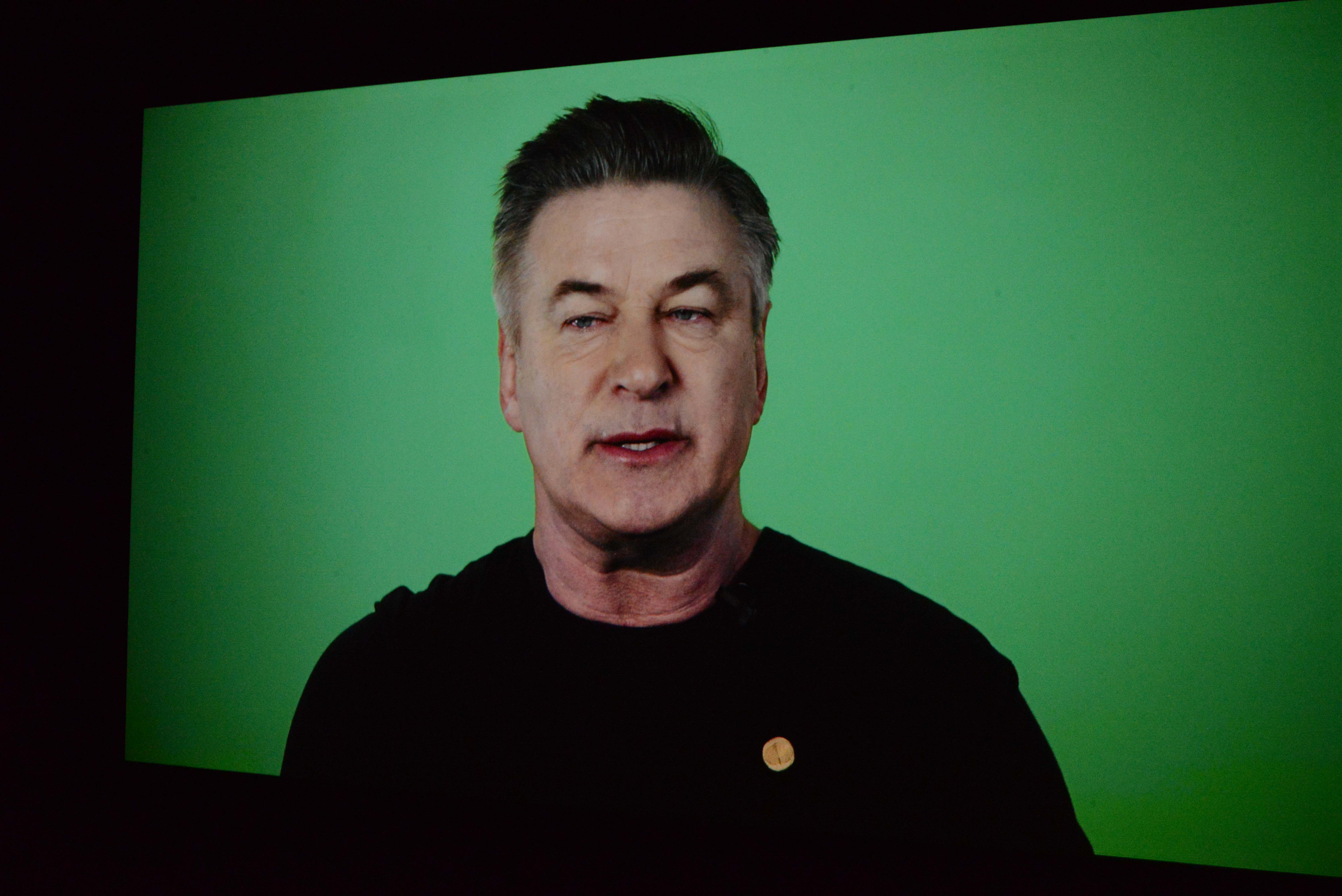
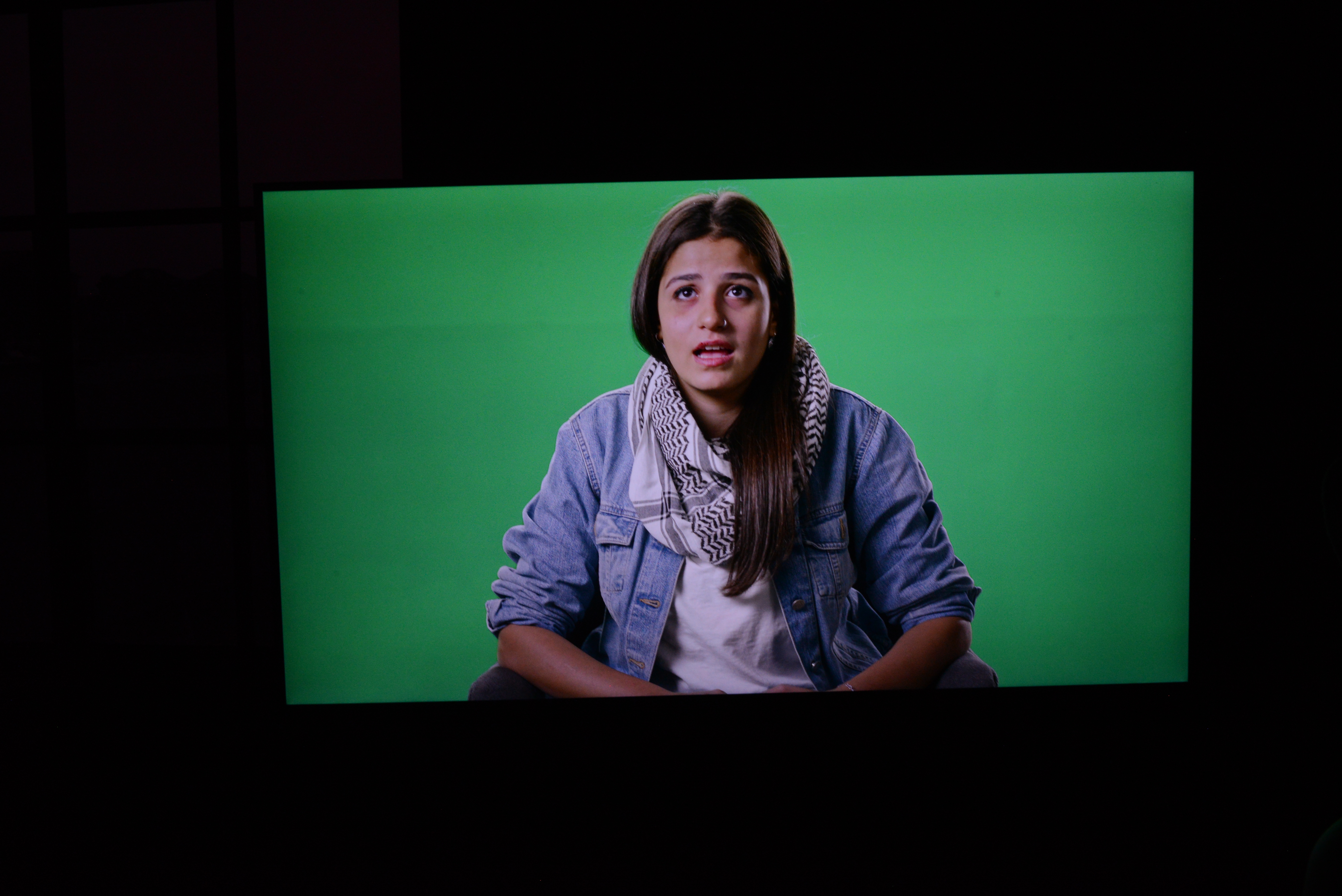
Despite sharing not much else, especially in terms of masterfulness, both Hirst and Breitz’s pieces touch upon pop culture and use famous characters and celebrities as attention-grabbing techniques. Breitz’s work is a commentary on the media’s obsession with celebrities and ignorance of critical issues that are happening at the same time. It is also a way of asking those in the spotlight to lend their voice to others who need it. Seeing the strange parallel between two such unrelated pieces was definitely interesting.